Posted on June 23rd, 2014 by Mary Lord
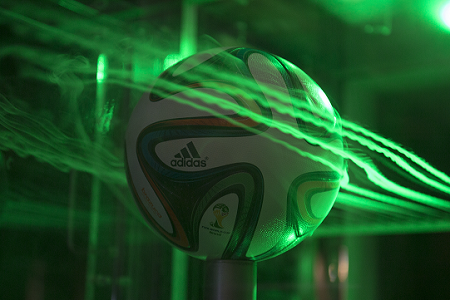 Count NASA engineers among the soccer fans following the 2014 World Cup tournament in Brazil this summer. They’re not only students of “the beautiful game” but also of technologies like the Brazuca football whose aerodynamic properties give players an edge.
Photo credit: NASA’s Ames Research Center
Read More
Filed under: Aerospace, e-News, Explore Engineering | Comments Off on NASA Explores Brazuca’s Aerodynamics
Tags: aerodynamics, Aerospace, Ames Research Center, ball, Brazil, Brazuca, fluid dynamics, NASA, soccer, Sports, Technology, World Cup
Posted on July 31st, 2012 by Mary Lord

There’s no Olympic medal for sports engineering. But breakthrough technology is playing a star role at the London games – if you know where to look. The National Science Foundation has teamed up with NBC’s Olympics and education division to create a guide to the split-second timekeepers, wave-reducing pools, high-performance gear, and other feats of technology that let athletes compete at their peak.
Read More
Filed under: Architectural, e-News, Explore Engineering, Materials | Comments Off on Olympic Engineering
Tags: 2012 Summer Olympics, athletes, bicycling, Design, helmet, London, Olympics, pool, Sports, sports engineering, stadium, swimming, team, Technology
Posted on June 7th, 2012 by Mary Lord

What do Rihanna, Katy Perry, and Lady Gaga have in common with engineering? All belt out chart-topping singles in a costume tailor-made for a techno beat and larger-than-life image: an LED dress. Wearable technology reaches beyond fashion to lightweight military armor and applications in sports, cybersecurity, and medicine. Check out these fun examples!
Read More
Filed under: Chemical, e-News, Electrical, Industrial / Manufacturing, Materials | 1 Comment »
Tags: cast, concept cast, Cornell, CuteCircuit, dye, equestrian, fabric, Fashion, fractures, Hidez, high-performance apparel, high-performance fabric, Juan Hinestroza, LED, materials engineering, MIAmobi, nanoscale material, Nanotechnology, Nike, Olympics, Pedro Nakazato Andrade, racehorse, RFID, sensors, Sports, Tags: athletics, textile manufacturing, Textiles
Posted on May 15th, 2012 by aseeadmin
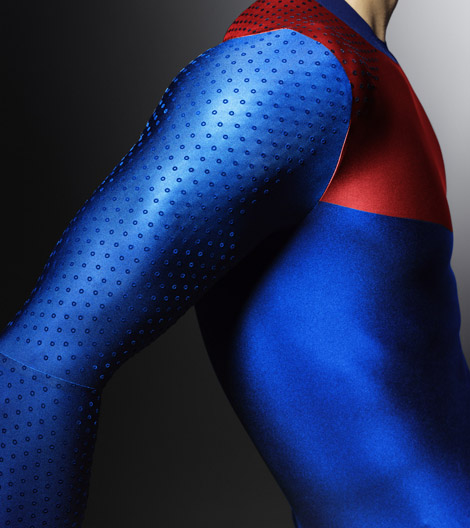
In science, speed is just distance divided by time. But in sports, where fractions of a second can determine champions, speed is everything. That’s why many athletes look to engineering for a high-tech edge that can maximize velocity and performance.
Take Nike’s new track and field uniforms — released just in time for the summer Olympics.
Read More
Filed under: e-News, Explore Engineering, Industrial / Manufacturing, Materials | 1 Comment »
Tags: Fashion, Materials, Olympics, Sports
Posted on May 7th, 2012 by axb


When snow melts in the Alps, European ski and snowboard fanatics may soon be heading to Skipark 360, 45 minutes from Stockholm, a year-round indoor winter sports arena with everything from downhill skiing to ice hockey and international slalom competitions.
Read More
Filed under: Architectural, e-News, e-Videos, Environmental | Comments Off on Sustainable Slopes
Tags: Architectural, Environmental, Sports