

















Poo Power!
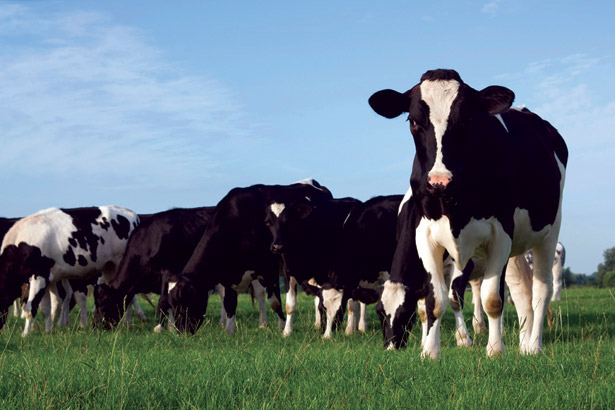
Efforts to cut carbon dioxide emissions and energy costs are giving rise to . . . poo power! That’s right – for the past few years engineers have been implementing new ways to convert waste products into usable biofuels. The process involves a series of chemical reactions know as anaerobic digestion, which ultimately produces a biogas composed largely of methane and carbon dioxide.
In the United States, a large California dairy farm runs two of its 18-wheelers on biomethane produced from its four-legged employees. Its 10,000 cows produce the methane equivalent of 650 gallons of diesel a day. From Vermont to Minnesota, several utility companies also use cow manure to generate electricity. Then there’s chicken poop: Ohio’s Buckeye Power has started to put the fowl stuff to good use . Unlike wind or sun, these droppings provide “green” fuel that’s always available.
In Oslo, a pilot program is set to begin in September, powering 80 city buses with biomethane produced by the waste collected from two sewage treatment plants. City officials estimate that carbon emissions will be cut by 44 tons per bus each year. Should project poo prove successful, all 400 city buses will be converted from diesel to biomethane.
Rural areas in India are also benefiting from gober gas (from the Hindi word “gober”, meaning cow dung). An estimated 2 million household micro plants already exist, cleanly powering small farms such as this one:
Now that’s some powerful poop!
Filed under: Agricultural, Chemical, e-News, Environmental, Transportation
Tags: Energy, Environmental, Green Technology, Green Transportation